Google Research recently announced a call for proposals for high-impact research and development projects in twelve areas and one open call related to carbon removal and super pollutant elimination. Spark partnered with Google to develop the scope for two of these twelve areas, both of which deal with methane—a potent super pollutant currently responsible for around 30% of global warming.
The first seeks to address uncertainties about methane’s atmospheric lifetime. Methane is naturally broken down in the atmosphere through a series of complex chemical reactions, and substantial uncertainties remain about how long it may last and thus contribute to future warming under various conditions. Funding of up to $500,000 is available to help improve understanding of methane’s atmospheric lifetime and what that could mean for the impact of potential methane abatement mechanisms.
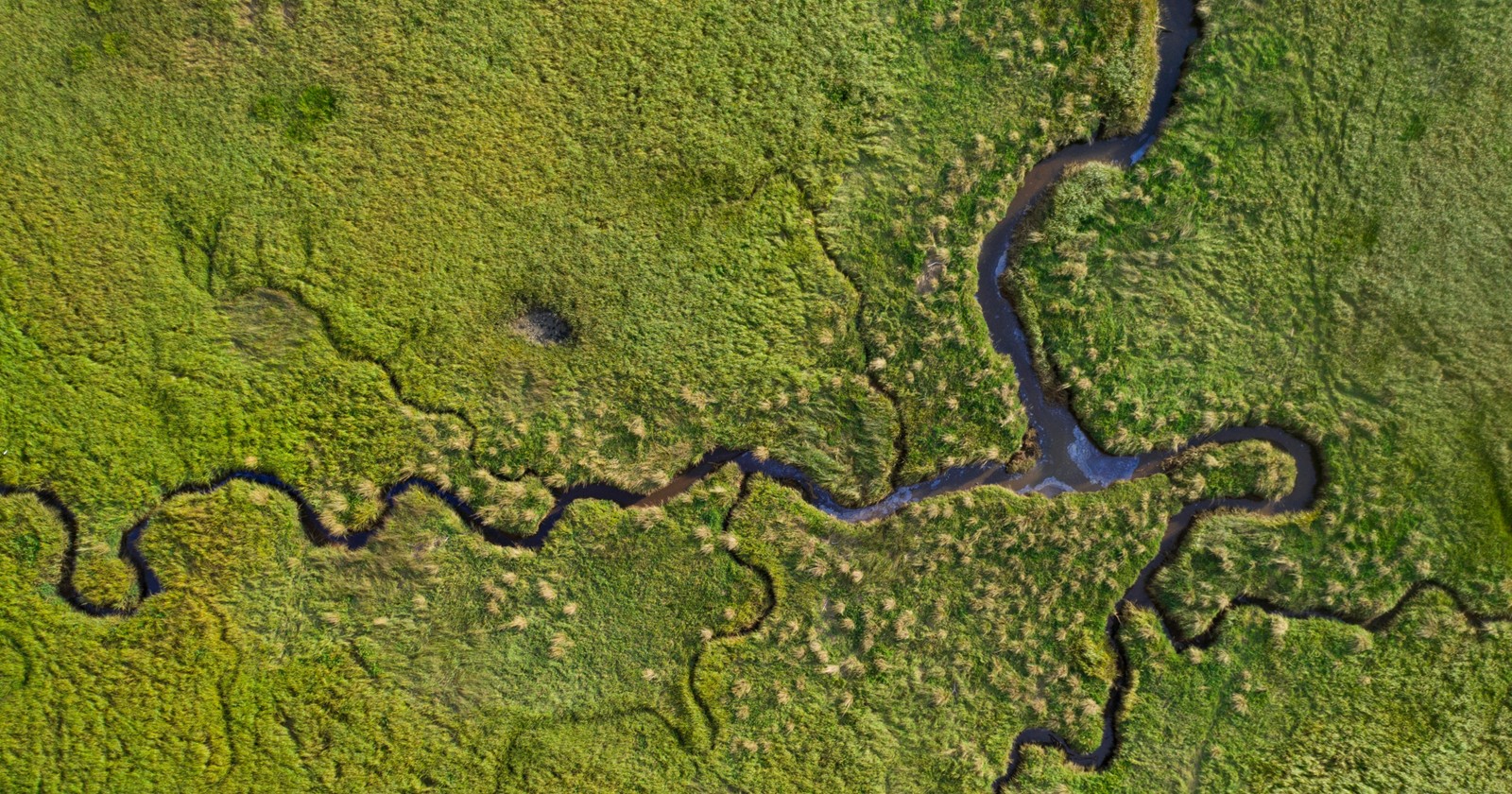
The second recognizes that tidal wetland restoration projects—a key climate and conservation strategy—can also affect, and potentially inadvertently increase, methane emissions, as methane fluxes from tidal wetlands are highly variable. Funding of up to $450,000 is available to develop tidal restoration frameworks that look at holistic greenhouse gas emissions and optimize wetland restoration for net climate benefit.
Interested researchers are encouraged to apply. You can find Google’s full descriptions of these two research areas below.
You can learn more about the awards on the application page on Google’s website. Applications are due September 25th 2026 at 11:59:59 pm BST (GMT +1).
**
Research Area: Improve constraints on methane lifetime in the atmosphere and its underlying removal mechanisms
Research area scoped in collaboration with Spark Climate Solutions.
Objective: Resolve uncertainties in the relationship between atmospheric oxidation capacity and methane lifetime, and thereby refine constraints on methane lifetime.
Methane is a potent short-lived climate pollutant and is responsible for around 30% (~0.5°C) of global warming since the preindustrial era. The lifetime of methane in the atmosphere is a key control on climate outcomes, and is also highly relevant in determining the impact of methane emissions abatement relative to other categories of emissions abatement.
The lifetime of methane in the atmosphere is primarily determined by the atmospheric oxidation capacity, including both the hydroxyl and chlorine radicals. This complex, nonlinear chemistry is a foundational driver of climate, air quality, and ecosystem health, yet remains poorly understood. By extension, there is high uncertainty associated with the lifetime of methane in the atmosphere, the underlying removal mechanisms, and their interaction with a changing atmosphere.
This research area aims to improve constraints on the lifetime of methane in the atmosphere and the underlying removal mechanisms. A particular emphasis is placed on using open datasets in which there are considerable existing observations that could advance understanding of atmospheric oxidation capacity and better characterize poorly understood or undiscovered methane-removal mechanisms. Outcomes are likely to include a peer-reviewed study that refines regional or global methane lifetime constraints based on an improved characterization of the underlying removal mechanisms.
Funding of up to $500,000 is available for a single research project.
Research Area: Optimizing the climate impact of carbon removal through tidal wetland restoration
Research area scoped in collaboration with Spark Climate Solutions.
Objective: Develop frameworks for tidal wetland restoration that optimize for the scale and permanence of carbon sequestration while minimizing methane emissions.
Tidal wetlands, including salt marshes and brackish mangroves, are major blue carbon sinks. The restoration of tidal wetlands is therefore a key target for nature-based carbon removal. However, wetland restoration can also affect emissions of methane (CH4), a potent short-lived climate pollutant. Methane fluxes from tidal wetlands are highly variable across space and time and are influenced by shifting tidal hydrology, micro-topography, nutrient loading, and seasonal temperature fluctuations. The specific design of a restoration project may significantly influence its greenhouse gas balance across time, and by extension its net climate benefit.
This research area targets the development of frameworks that optimize the design of tidal wetland restoration projects for greenhouse gas outcomes, including (at minimum) methane emissions and long-term carbon storage. Proposals are likely to use observations of dynamic methane emissions in tidal wetland restoration projects, particularly during transitional restoration phases, to develop a mechanistic understanding of greenhouse gas balances that can in turn be used to inform future project design. Outcomes may include: a peer-reviewed study of dynamic greenhouse gas accounting in tidal wetland restoration; a mechanism-grounded framework to help project developers optimize restoration for net climate benefit.
Funding of up to $450,000 is available for a single research project.
**
You can learn more about the awards on the application page on Google’s website. Applications are due September 25th 2026 at 11:59:59 pm BST (GMT +1).
Google Research recently announced a call for proposals for high-impact research and development projects in twelve areas and one open call related to carbon removal and super pollutant elimination. Spark partnered with Google to develop the scope for two of these twelve areas, both of which deal with methane—a potent super pollutant currently responsible for around 30% of global warming.
The first seeks to address uncertainties about methane’s atmospheric lifetime. Methane is naturally broken down in the atmosphere through a series of complex chemical reactions, and substantial uncertainties remain about how long it may last and thus contribute to future warming under various conditions. Funding of up to $500,000 is available to help improve understanding of methane’s atmospheric lifetime and what that could mean for the impact of potential methane abatement mechanisms.
The second recognizes that tidal wetland restoration projects—a key climate and conservation strategy—can also affect, and potentially inadvertently increase, methane emissions, as methane fluxes from tidal wetlands are highly variable. Funding of up to $450,000 is available to develop tidal restoration frameworks that look at holistic greenhouse gas emissions and optimize wetland restoration for net climate benefit.
Interested researchers are encouraged to apply. You can find Google’s full descriptions of these two research areas below.
You can learn more about the awards on the application page on Google’s website. Applications are due September 25th 2026 at 11:59:59 pm BST (GMT +1).
**
Research Area: Improve constraints on methane lifetime in the atmosphere and its underlying removal mechanisms
Research area scoped in collaboration with Spark Climate Solutions.
Objective: Resolve uncertainties in the relationship between atmospheric oxidation capacity and methane lifetime, and thereby refine constraints on methane lifetime.
Methane is a potent short-lived climate pollutant and is responsible for around 30% (~0.5°C) of global warming since the preindustrial era. The lifetime of methane in the atmosphere is a key control on climate outcomes, and is also highly relevant in determining the impact of methane emissions abatement relative to other categories of emissions abatement.
The lifetime of methane in the atmosphere is primarily determined by the atmospheric oxidation capacity, including both the hydroxyl and chlorine radicals. This complex, nonlinear chemistry is a foundational driver of climate, air quality, and ecosystem health, yet remains poorly understood. By extension, there is high uncertainty associated with the lifetime of methane in the atmosphere, the underlying removal mechanisms, and their interaction with a changing atmosphere.
This research area aims to improve constraints on the lifetime of methane in the atmosphere and the underlying removal mechanisms. A particular emphasis is placed on using open datasets in which there are considerable existing observations that could advance understanding of atmospheric oxidation capacity and better characterize poorly understood or undiscovered methane-removal mechanisms. Outcomes are likely to include a peer-reviewed study that refines regional or global methane lifetime constraints based on an improved characterization of the underlying removal mechanisms.
Funding of up to $500,000 is available for a single research project.
Research Area: Optimizing the climate impact of carbon removal through tidal wetland restoration
Research area scoped in collaboration with Spark Climate Solutions.
Objective: Develop frameworks for tidal wetland restoration that optimize for the scale and permanence of carbon sequestration while minimizing methane emissions.
Tidal wetlands, including salt marshes and brackish mangroves, are major blue carbon sinks. The restoration of tidal wetlands is therefore a key target for nature-based carbon removal. However, wetland restoration can also affect emissions of methane (CH4), a potent short-lived climate pollutant. Methane fluxes from tidal wetlands are highly variable across space and time and are influenced by shifting tidal hydrology, micro-topography, nutrient loading, and seasonal temperature fluctuations. The specific design of a restoration project may significantly influence its greenhouse gas balance across time, and by extension its net climate benefit.
This research area targets the development of frameworks that optimize the design of tidal wetland restoration projects for greenhouse gas outcomes, including (at minimum) methane emissions and long-term carbon storage. Proposals are likely to use observations of dynamic methane emissions in tidal wetland restoration projects, particularly during transitional restoration phases, to develop a mechanistic understanding of greenhouse gas balances that can in turn be used to inform future project design. Outcomes may include: a peer-reviewed study of dynamic greenhouse gas accounting in tidal wetland restoration; a mechanism-grounded framework to help project developers optimize restoration for net climate benefit.
Funding of up to $450,000 is available for a single research project.
**
You can learn more about the awards on the application page on Google’s website. Applications are due September 25th 2026 at 11:59:59 pm BST (GMT +1).
Stay in touch
Sign up to our Spark newsletter and stay updated!
Menu
Stay in touch
Sign up to our Spark newsletter and stay updated!