Annual Report2025

Spark is a science-driven, philanthropically funded non-profit that accelerates progress on unsolved climate challenges
Spark is a science-driven, philanthropically funded non-profit that accelerates progress on unsolved climate challenges
Over the past decade, the rapid scaling of renewable energy, electric vehicles, and energy efficiency improvements have significantly lowered global temperature projections, despite headwinds. That progress has been driven by exactly the kind of sustained investment, scientific and technological innovation, and policy action this community has championed. While those climate solutions are helping bend the curve, they are no longer enough on their own to meet the scale of the challenge.
2025 marked a turning point in the climate conversation as global leaders began openly acknowledging that overshooting the Paris Agreement's 1.5°C target is now unavoidable. As climate feedbacks begin to emerge, the picture becomes even more complex. It's increasingly clear that bending the curve back to a safer and more stable climate will require a broader set of solutions than exist today.
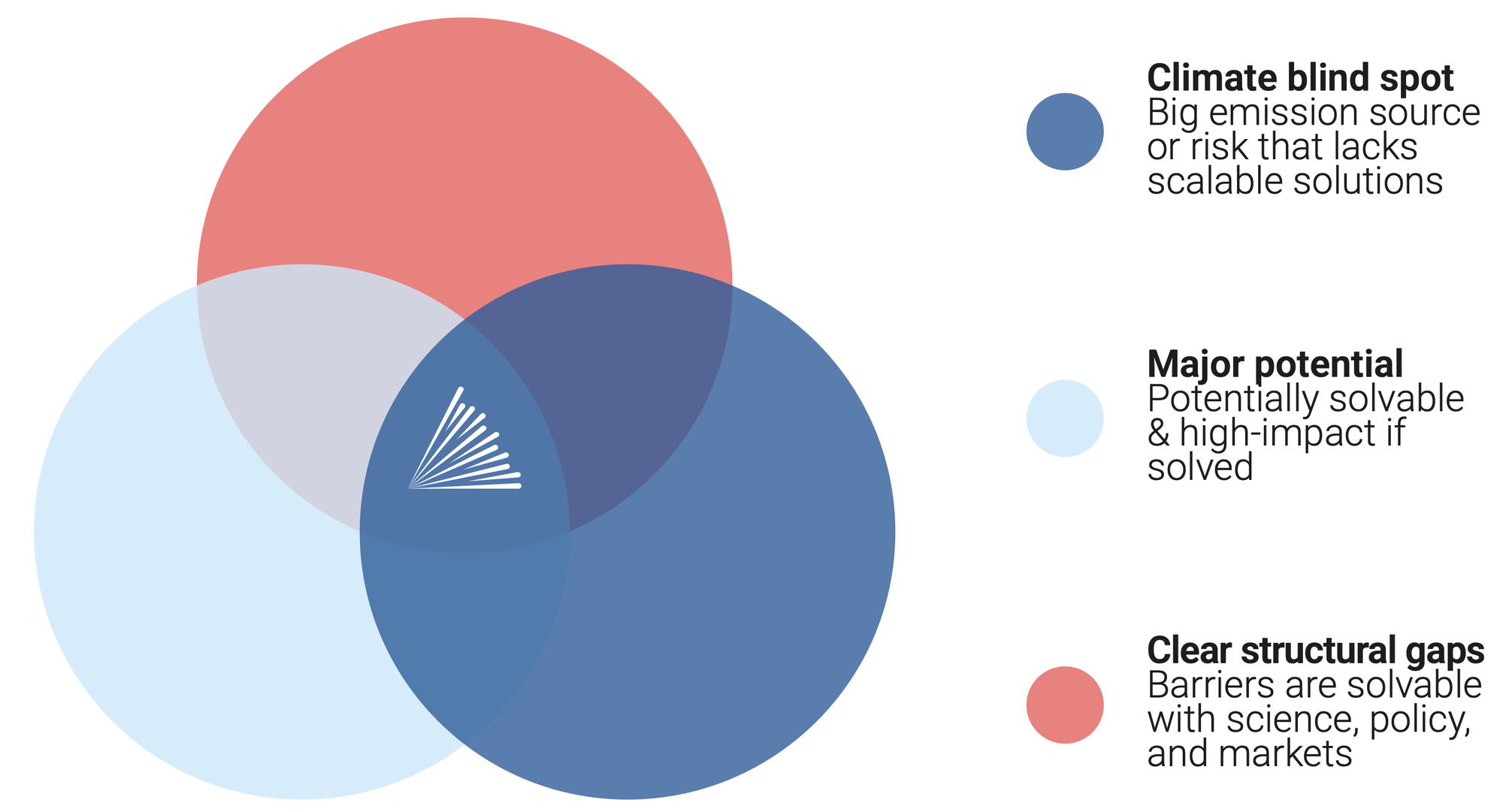
This is a moment to expand our climate solutions toolkit, particularly to close critical gaps where large sources of emissions or risks still lack scalable solutions. With the support of bold philanthropic partners, that is where Spark focused in 2025, and where we continue to push the frontier in 2026.
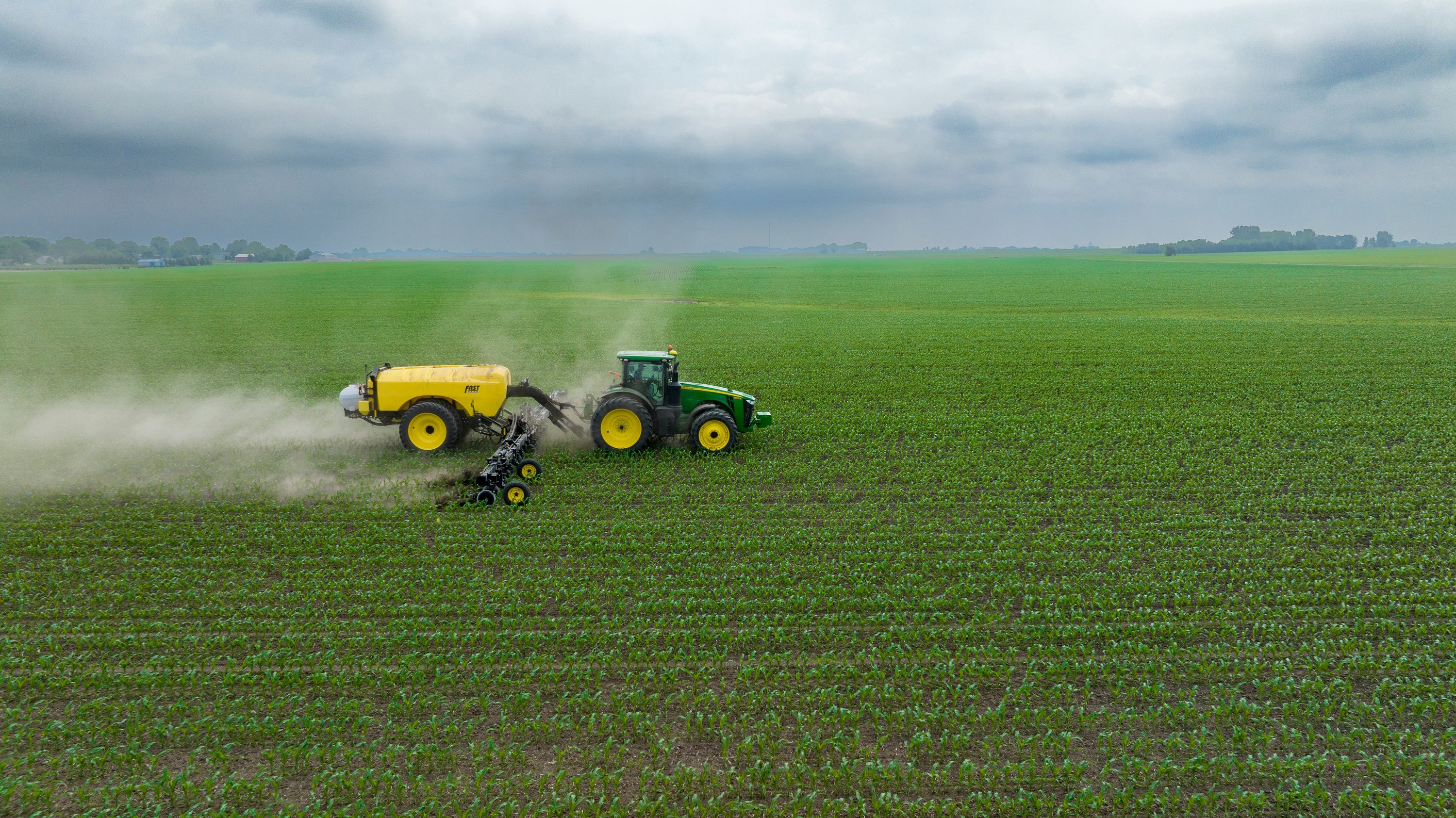
Super pollutants from agriculture. Methane from livestock and nitrous oxide from fertilizer and manure are major drivers of warming, jointly contributing more than 10% of current emissions, yet they remain significantly under-addressed relative to their impact and existing tools can only reduce a fraction of emissions. In 2025, our Livestock Enteric Methane Program co-hosted the world's only annual summit on livestock methane science and solutions, helped launch a livestock methane policy coalition and industry alliance, and published a strategic roadmap to accelerate innovation. We also began developing a dedicated program to reduce agricultural nitrogen loss by supporting emerging innovations in crop genetics, animal feeding, and manure management as well as exploring policy and market solutions.
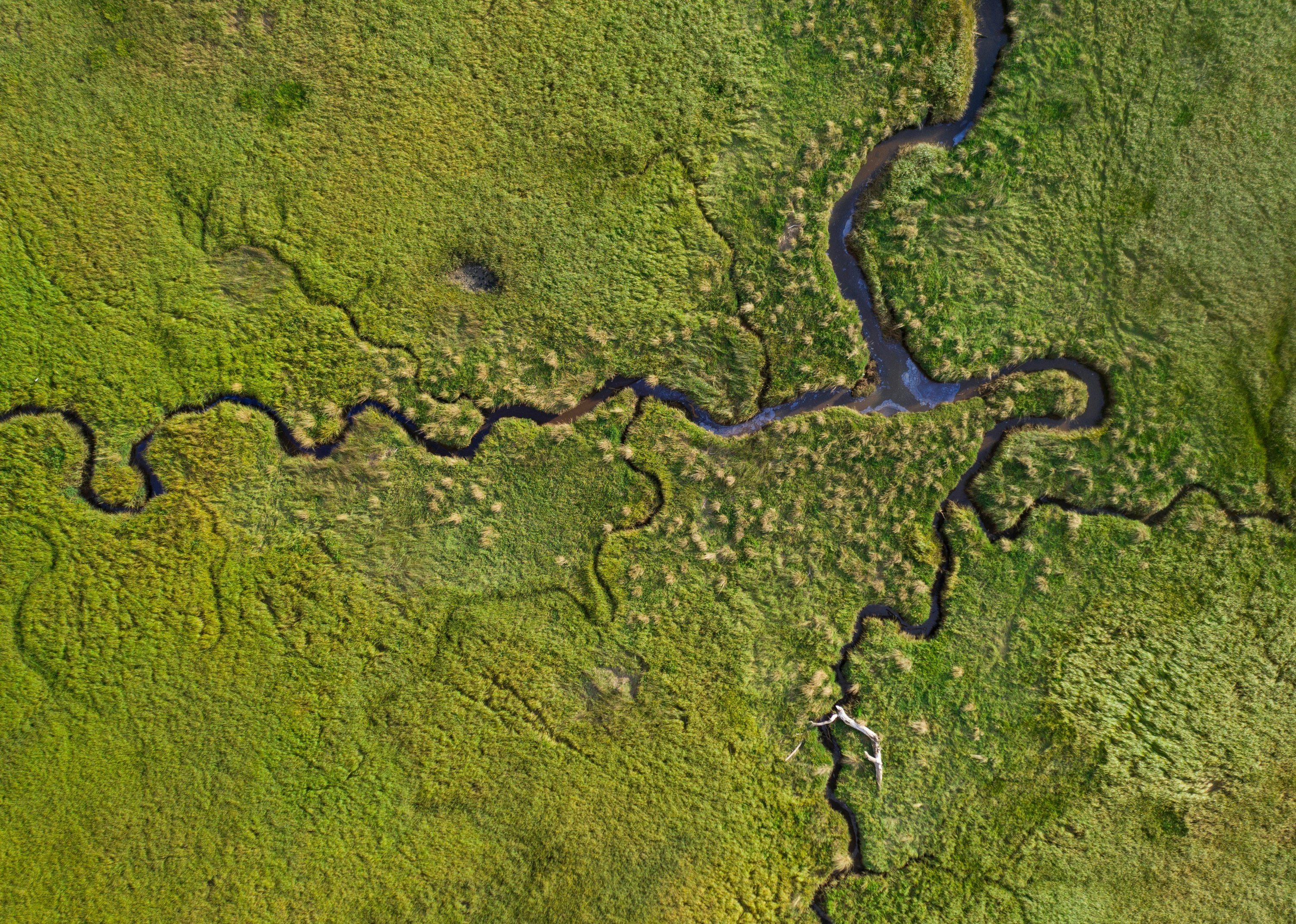
Climate feedbacks and removals. As climate change warms the planet, natural systems like permafrost, wetlands, soils, and oceans, along with processes like wildfire, are beginning to release more greenhouse gases, while the systems that absorb or break down these gases are showing signs of weakening. These dynamics remain poorly captured in current models, policies, and investment strategies. In 2025, we launched a Warming-Induced Emissions program to address this critical blind spot, including by leading a major global modeling effort, helping close gaps in methane observation systems, and integrating these emissions into key policy frameworks. We also continued to assess the viability of methane removal by launching new research grants, engaging in key policy and governance discussions, and helping coordinate the growing scientific community around this early-stage field.
Spark is part of a broad ecosystem of scientists, policymakers, funders, and innovators working on these important challenges. Thank you for being part of it.


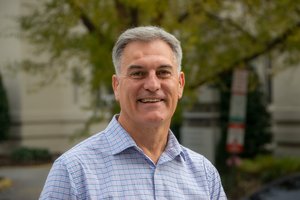
Erika Reinhardt
Executive Director
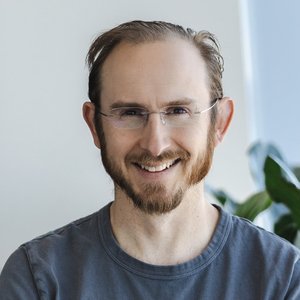

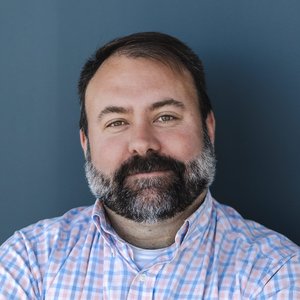
David Mann, PhD
Co-founder, Head of Strategy
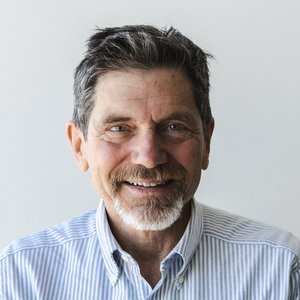

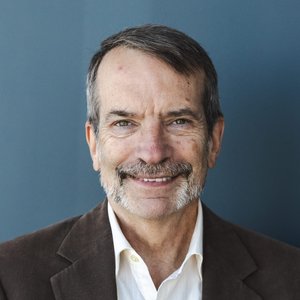
Phil Duffy, PhD
Chief Scientist
In This Report
Guided by science, deep curiosity, and open collaboration, we look around the corner to identify the high-impact climate risks and opportunities that are not yet getting enough attention: those places where emissions are large, risks are high, and effective solutions haven't yet taken shape.
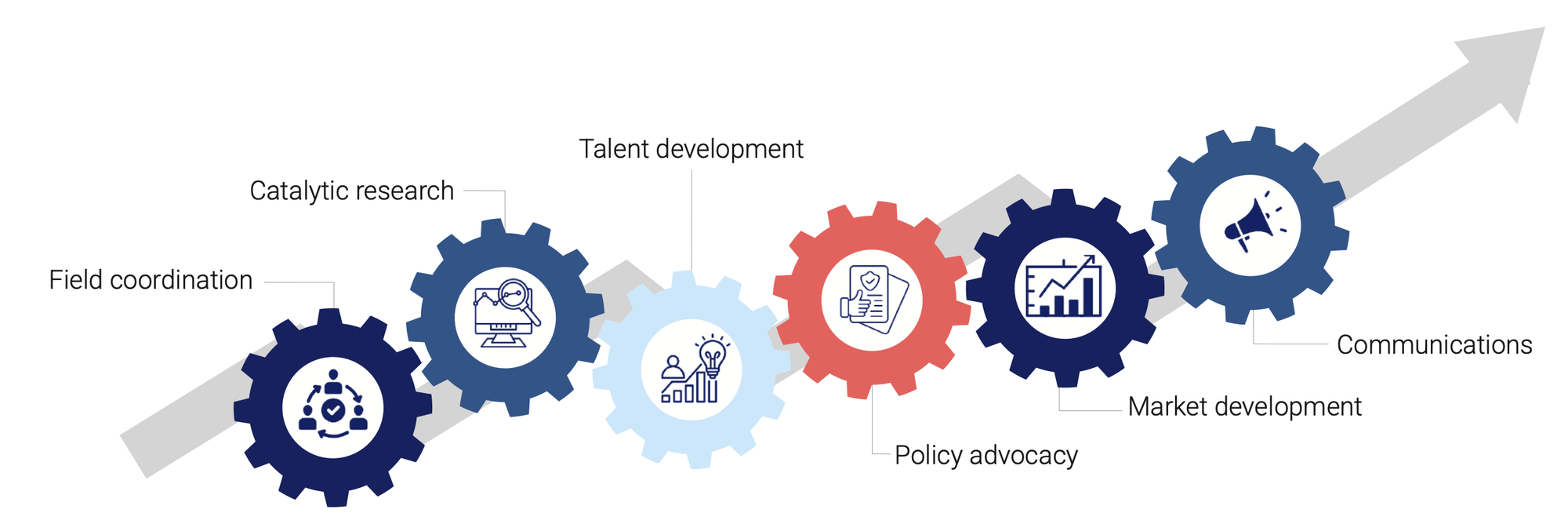
Rather than betting on individual technologies or pathways, our team of scientists, policy experts, and system thinkers use a large suite of tools to grow fields as a whole so the most effective science and solutions can be surfaced and scaled.
Deploying the climate solutions we have today, fast and at scale, is critical. But many large emissions sources, including some super pollutants, still lack globally scalable solutions and the coordinated efforts needed to accelerate their development. Meanwhile, emerging climate feedbacks from warming natural systems like permafrost and wetlands could accelerate global warming but are largely unaccounted for in current climate models and policies.
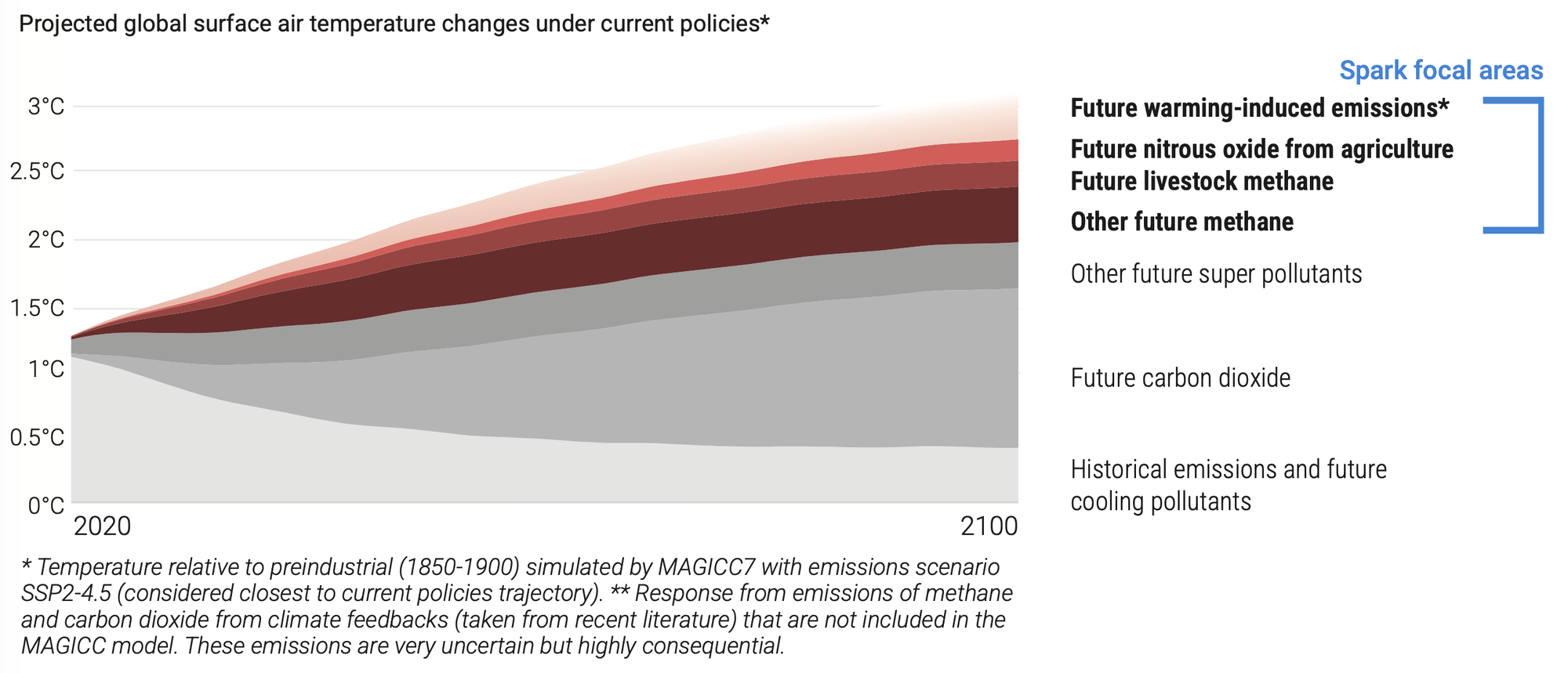
Methane from Livestock
Livestock accounts for ~30% of global human-caused methane emissions today—more than oil and gas—with most emissions coming from enteric fermentation. Yet only a small fraction can currently be addressed with existing solutions.
Warming-Induced Emissions
Climate feedbacks from warming natural systems, like permafrost and wetlands, could significantly amplify global warming and climate risks. Yet many of these emissions are largely absent from current climate models and policies.
Nitrous Oxide from Agriculture
Most human-caused nitrous oxide emissions come from agricultural fertilizer and manure. These emissions are far more potent than carbon dioxide and last in the atmosphere for around a century, causing warming for generations. Viable pathways to reduce them remain limited.
Atmospheric Methane Removal
Even with aggressive methane mitigation, large risks may remain: hard-to-abate sources, growing warming-induced emissions, and potentially weakening methane sinks. We may need new tools to remove methane from the atmosphere that do not yet exist.
With catalytic philanthropic support, Spark is working to build the research, policy, governance, and market pathways needed to accelerate the timeline to close these gaps.
In 2025, Spark grew from a team of 14, to a team of 26. Drawn from key positions in leading NGOs, philanthropies, and government agencies—including NASA, NOAA, USDA, State Department, and USAID—we added a wealth of talent to our multidisciplinary team of scientists, policy experts, innovators, and systems thinkers this year.
Leadership
Erika Reinhardt
Executive Director
David Mann, PhD
Co-founder, Head of Strategy
Phil Duffy, PhD
Chief Scientist

Laura Adams
Chief of Staff
Eric Kostegan
Chief of Strategic Partnerships
Methane Removal

Megan Melamed, PhD
Program Director, Methane Removal

Katrine Gorham, PhD
Deputy Director, Methane Removal

Sam Abernethy, PhD
Research Scientist, Methane Removal

Martin Wolf, PhD
Senior Engagement Manager, Methane Removal

Meghan Thurlow, PhD
Senior Fellow, Methane Removal

Paige Brocidiacono
Project Manager, Methane Removal
Warming-Induced Emissions
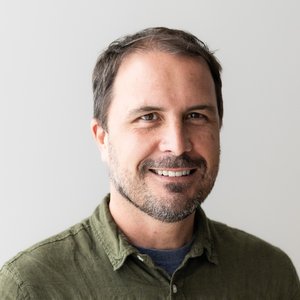
Ben Poulter, PhD
Program Director, Warming-Induced Emissions

Danie Potocek, PhD
Deputy Director, Warming-Induced Emissions

Tom Colligan
Platform Engineer, Warming-Induced Emissions
Science · Communications · Policy
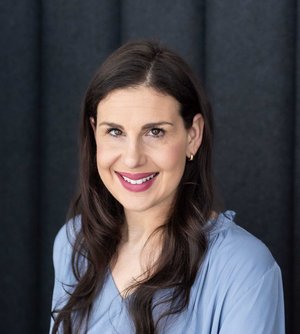
Ilissa Ocko, PhD
Senior Climate Scientist
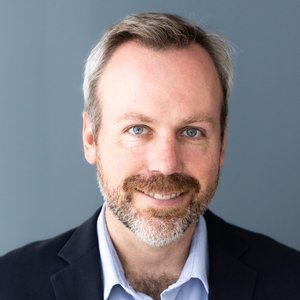
Jeremy Green
Strategic Communications Lead

Ryan Price
Senior Manager, Policy
Operations and Program Management

Cassie Ely
Director, Program Management and Strategic Initiatives

Jasmine Woods
Manager, Operations

Amber Richardson
Operations Associate
Spark's impact is made possible through a growing network of bold and generous philanthropic partners, individuals, and organizations. We deeply appreciate the partners who supported our work in 2025.











Ross Boucher
Wedner Family Foundation
Half Barn Fund
Adam Winkel
Eric Neuner
The Jersin Foundation
Vivo Foundation
Kirsti and Bryant Chou
Clifford Family Foundation Charitable Trust
The Leila Yassa & David Mendels Fund
Newman Family Charitable Fund
LaFetra Foundation
MV DO GOOD LLC
In addition to generous anonymous and individual funders
Stories of progress on unsolved climate challenges
Our goal is to enable a safer climate by filling targeted gaps in current climate actions. We look around the corner at the key blind spots that pose big climate risks or offer big climate opportunities, then work to speed up the development of the fields needed to address those challenges.
In 2025, that approach produced significant progress across our portfolio. We published a roadmap for accelerating innovation on a key emission source that other funders and researchers are already using to inform their strategies. We launched a scientific modeling effort that will shed light on one of the biggest unaddressed climate risks. We funded frontier research to fill critical gaps in the solutions portfolio. We worked with policymakers to grow public funding for overlooked problems. We convened researchers, innovators, and funders to accelerate solutions development. And we used our voice to defend climate science when it came under public attack.
Read on for the stories and results behind that work.
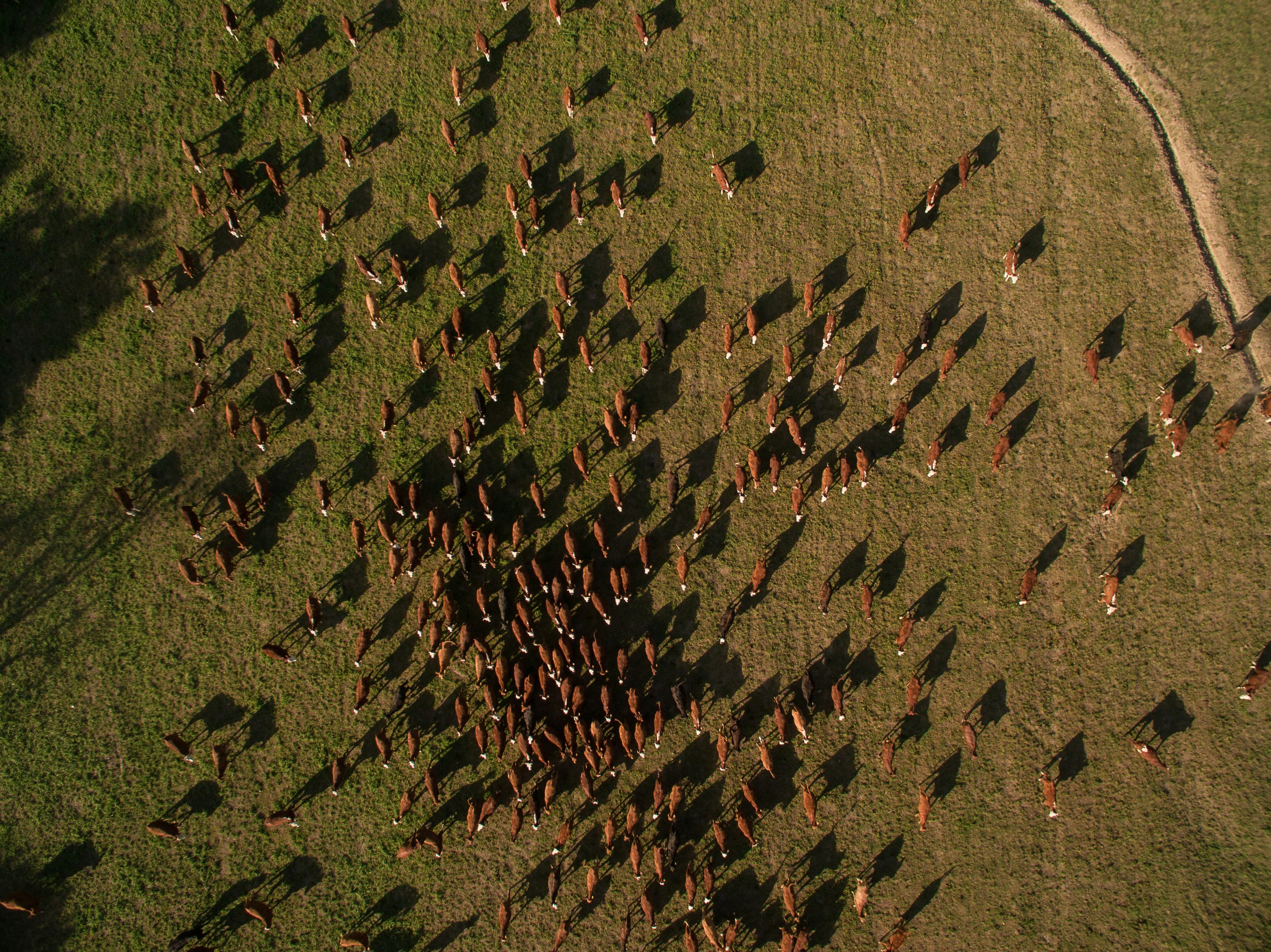
The Challenge: Livestock are the largest source of human-driven methane, more than oil and gas, but global solutions remain limited. Promising science exists, but delivery challenges in pasture-based systems, and policy, market, and funding barriers greatly limit global scalability.
Spark's Program: We grow the research, policy, and market pathways needed to unlock livestock methane solutions that can deliver global impacts.
Key Activities:
~0.2°C
Projected additional warming this century, under current policies, from future livestock methane emissions
1.5B
Cattle worldwide, mostly in pasture-based systems.

Program Director
To cut methane at scale, the world needs to run, and win, two races at the same time: a deployment sprint and an innovation marathon. Livestock methane sits at the center of both.
Part of the challenge is deploying solutions we already have: better animal health, improved productivity, and stronger management practices can reduce emissions intensity today, particularly in developing countries where livestock productivity gaps remain large. Methane-reducing feed additives can also cut emissions in some intensive production systems. Scaling these approaches is the deployment sprint: aligning policy, finance, and markets to move proven solutions into widespread use.
But today's tools are not enough. Globally, most cattle are in extensive grazing systems where existing solutions, like feed additives, remain difficult to deploy. Meanwhile, promising approaches with broad application, like methane-reducing vaccines, have yet to be developed. Winning the innovation marathon will require sustained R&D, stronger industry coordination, and clearer pathways from science to deployment.
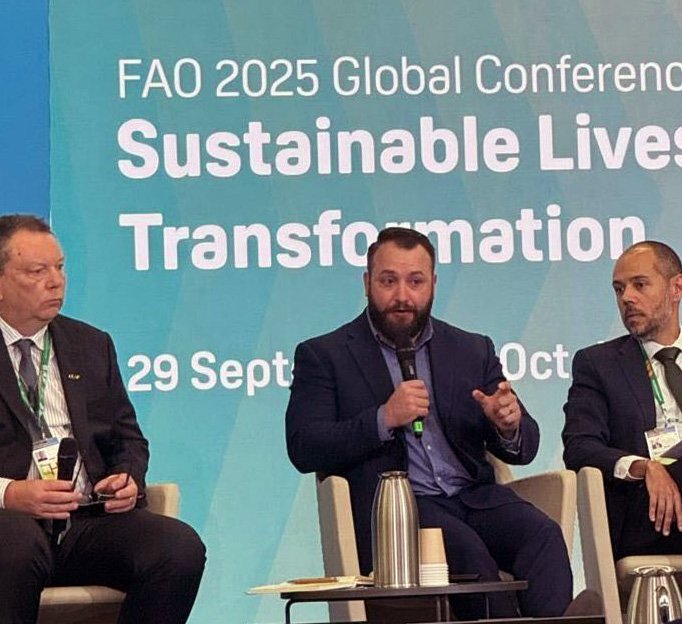
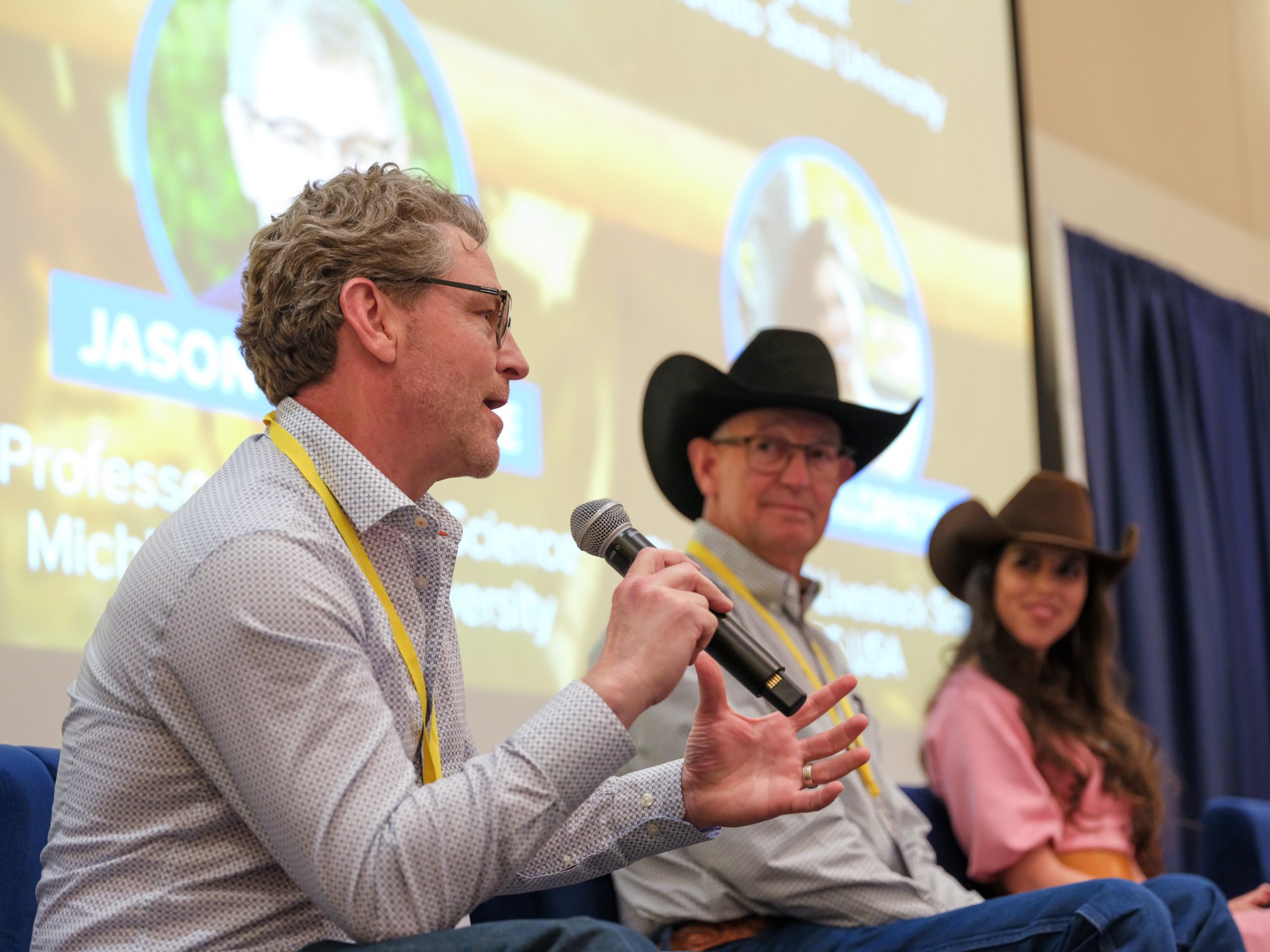
In 2025, Spark worked across multiple fronts to accelerate livestock methane solutions. We co-hosted the world's only dedicated summit on livestock methane science and solutions, bringing together researchers, policymakers, and industry leaders to align priorities and surface key research gaps. We helped build and launch the Global Enteric Methane Impact Alliance—the first global industry alliance dedicated to this problem—and convened the Livestock Methane Policy Coalition to coordinate policy efforts across leading organizations. Together, these efforts are strengthening the coordination and institutional infrastructure the field has long lacked.
Last year, working with leading scientists, NGOs, and industry experts, we also published the first strategic roadmap for accelerating livestock methane solutions—assessing the full pipeline from interventions available today to next-generation technologies still in development. The roadmap's release drew immediate interest from funders, researchers, NGOs, and policymakers.
In 2026, we'll build on that momentum through continued engagement to clarify gaps and opportunities and help guide the field toward greater impact.
In 2025 Spark played a lead role in incubating and building the Global Enteric Methane Impact Alliance (GEMIA), a global alliance of more than 40 agtech and biotech solution developers, producer organizations, and environmental NGOs. The alliance, which Spark is now spinning out as a stand-alone organization, provides essential pre-competitive infrastructure to coordinate research gaps, align industry standards, and deliver a unified voice to policy makers.
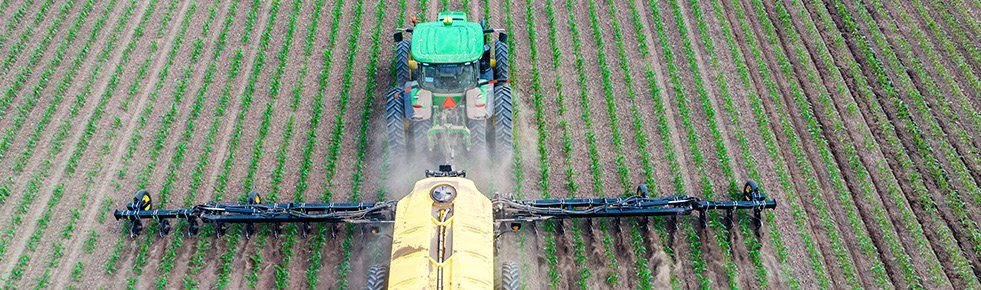
The Challenge: Agricultural nitrogen is essential for food production, but much of the nitrogen currently applied as fertilizer and manure is lost to the environment, harming our air, water, ozone layer, and climate. Current efforts focus primarily on incremental efficiency gains, while deeper system transformations remain underdeveloped.
Spark's Program: Building the scientific, policy, and market foundations needed to unlock scalable solutions that significantly reduce nitrogen losses while maintaining high food productivity.
Key Activities:
~0.15°C
Projected additional warming this century, under current policies, from future nitrous oxide from agriculture
Nitrous oxide is about
275X
more potent than carbon dioxide

Program Director
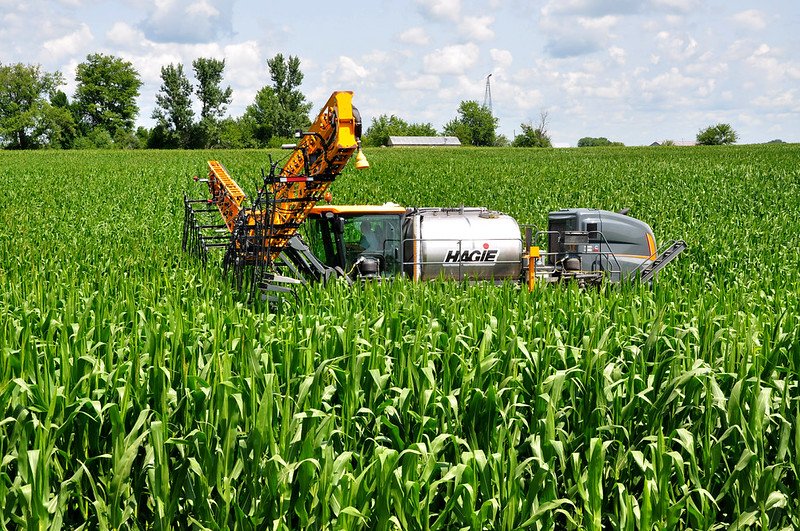
Nitrogen is essential for feeding the world, but today's system is deeply inefficient, offering major opportunities to cut emissions.
At the start of 2025, agricultural nitrogen was a Spark "exploratory area": a high-impact topic that warranted careful analysis, but one where the shape of a program to meaningfully address the problem was not yet clear.
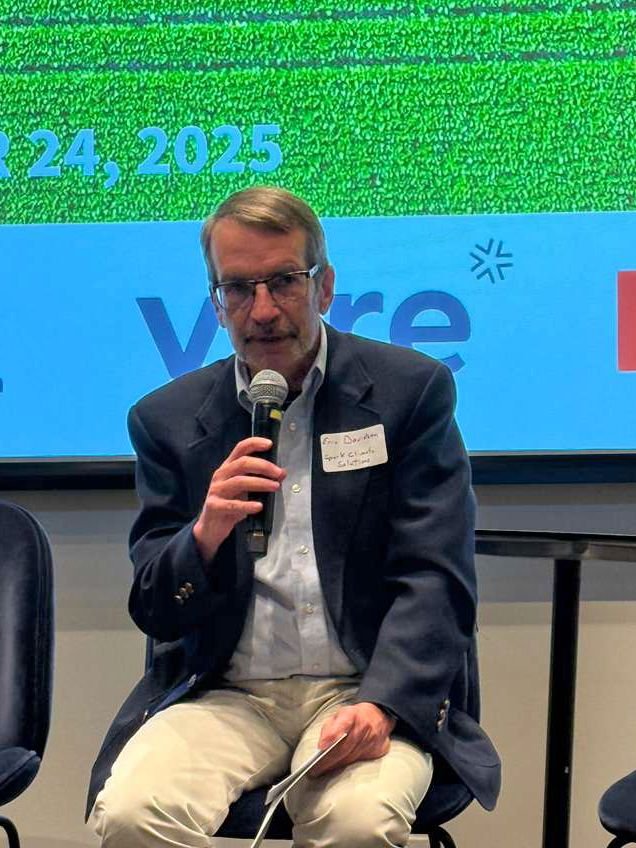
Under the leadership of Spark Principal Scientist Dr. Eric Davidson, one of the world's leading experts on nitrogen, we took a hard look at the challenge. The scale of the opportunity was clear. Each year, large amounts of nitrogen, primarily from fertilizer and manure, are applied to agricultural systems. Yet only a small percentage of that nitrogen ultimately ends up in the food we eat.
The nitrogen lost to the environment drives nitrous oxide emissions, a powerful greenhouse gas about 275X more potent than carbon dioxide, while also harming our air and water, degrading ecosystems, and worsening human health.
Working with other scientists and partners across the field, Spark helped develop a shared vision for a next-generation approach to nitrogen: Nitrogen 2.0. The core idea is to move beyond existing incremental approaches to unlock major reductions in nitrogen loss through transformative innovations in crop breeding, animal feeding, and manure management.
Through our work with partners, it became increasingly clear that nitrogen represented a major opportunity for impact, so Spark decided to move from exploration to action. We hired Dr. Maria Bowman, who brings deep expertise across government, industry, and conservation, to lead the development of a full program to turn the Nitrogen 2.0 vision into a targeted set of actions to move the field forward.
In 2026, we will officially launch the program with a strategic roadmap and targeted research and policy engagements—helping catalyze solutions that turn agricultural nitrogen from an unsolved climate and health challenge into a clear opportunity for progress.
Spark is working with other experts on a series of transformative innovations called Nitrogen 2.0. This new approach focuses on emerging innovations in crop genetics and non-crop sources of protein inputs for livestock feed that reduce nitrogen loss, and technologies to improve manure storage, processing, and recycling onto croplands. We are also exploring innovative policy and market instruments to share the risk that farmers face when reducing fertilizer application rates.
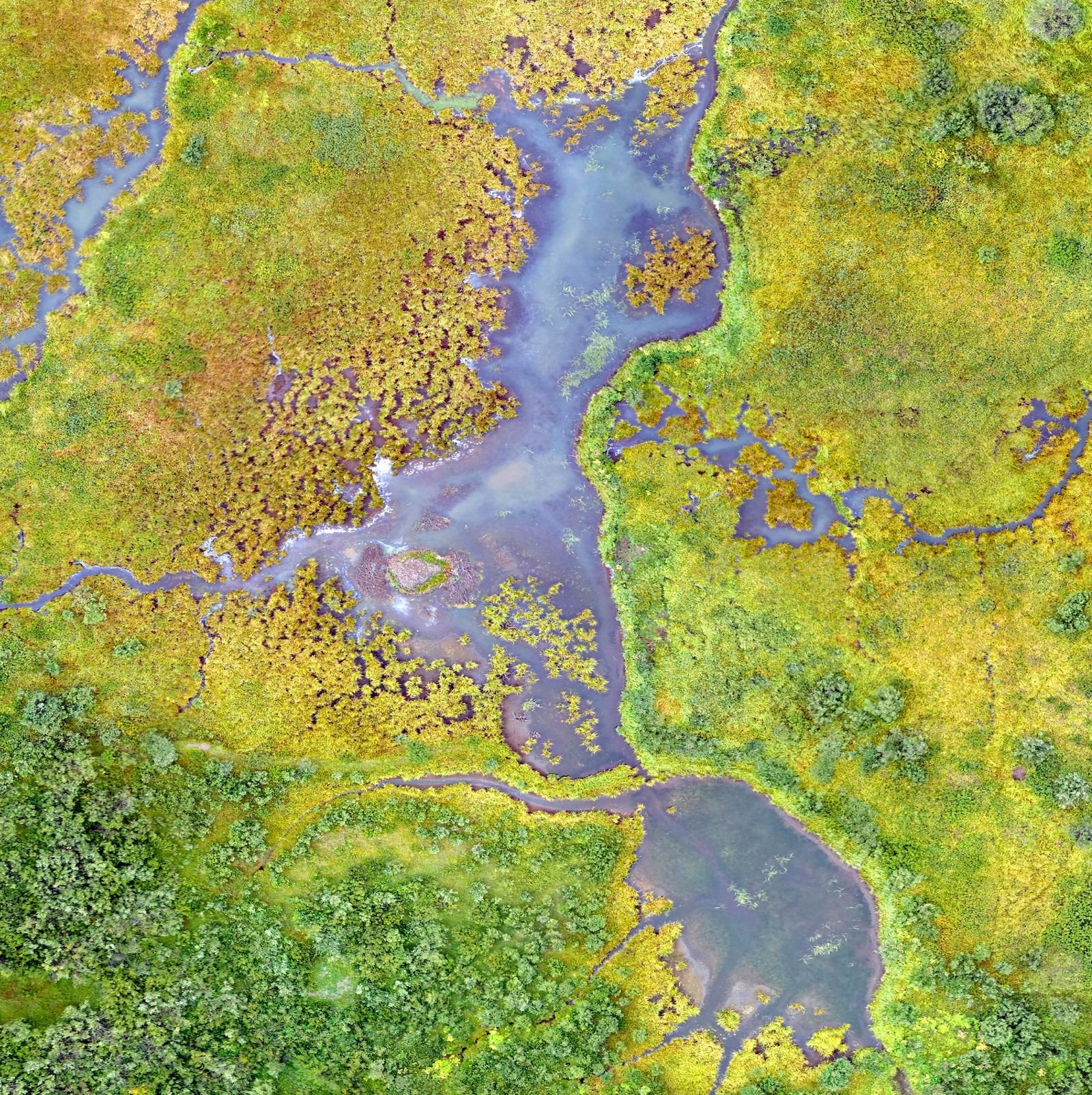
The Challenge: As the planet warms, natural systems are beginning to release additional greenhouse gases, amplifying warming and climate risks. These emissions are poorly quantified and largely absent from climate models, policies, and funding strategies.
Spark's Program: Strengthening scientific understanding of these emissions, better incorporate them into climate policies, and explore potential mitigation pathways.
Key Activities:
~0.2–0.4°C
Projected additional warming this century, under different scenarios, from future warming-induced emissions.
20–30%
How much these emissions could amplify anthropogenic warming this century.
Program Director
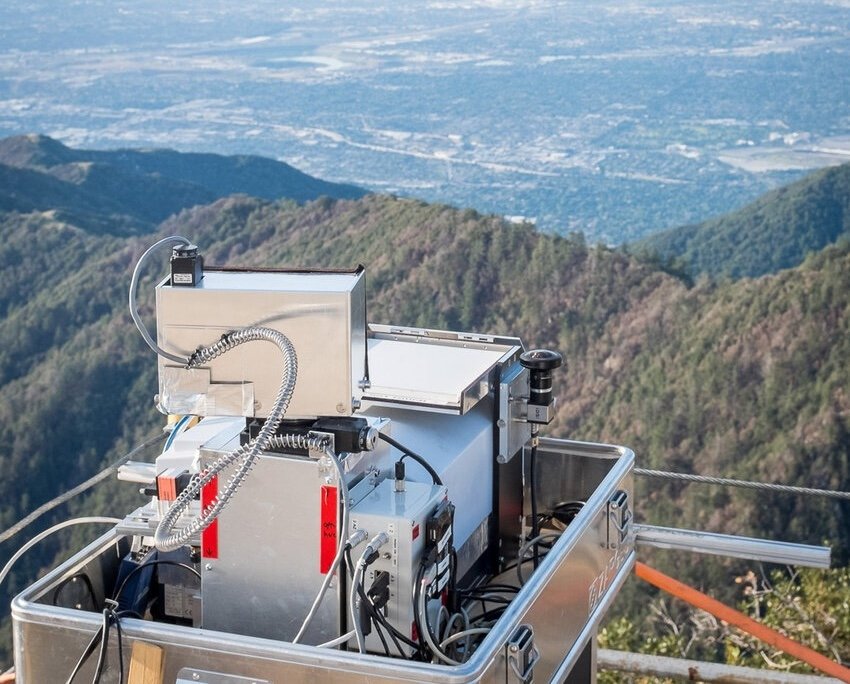
Imagine a near future where fossil fuel emissions are declining. Clean energy dominates and electric vehicles are widespread, yet the planet keeps warming faster than expected.
That future isn't inevitable, but it is plausible. As the Earth warms, changing natural systems, such as wetlands, permafrost, forests, and oceans, are starting to release more greenhouse gases while their natural ability to absorb and store carbon weakens. The result is a self-reinforcing feedback cycle: warming triggers more emissions, which drive even more warming.
These warming-induced greenhouse gas emissions are one of the biggest blind spots in climate science and policy. While long discussed by scientists, they remain poorly quantified and are largely excluded from climate models, carbon budgets, and global policy frameworks, including the Paris Agreement, leaving a critical gap in global mitigation, adaptation, and greenhouse gas accounting strategies.
In 2025, Spark, working alongside key partner organizations, began a concerted effort to help close this gap. We brought on leading scientist Dr. Ben Poulter, formerly at NASA, who previously served in the White House helping lead development of a U.S. national greenhouse gas measurement and modeling system, to launch and lead Spark's new Warming-Induced Emissions program.
With support from philanthropic partner Alta Futures, we rapidly stood up the program's first major initiative in October 2025: the Warming-Induced Emissions Model Intercomparison Project (WIEMIP). This coordinated effort brings together leading Earth system modeling teams from around the world to produce the most complete picture to date of these emissions on an accelerated timeline to inform the next IPCC assessment cycle. This will improve key projections of future warming used to inform policy planning and risk management decisions.
In 2025, Spark co-hosted a workshop with the Aspen Global Change Institute, bringing together leading scientists to tackle a critical blind spot: there's no coordinated global system for tracking methane emissions from natural sources like wetlands and permafrost. With leadership from Deputy Director Dr. Danie Potocek, the workshop produced a shared framework for what that system needs to look like. That work is now feeding directly into the development of a Global Ecosystem Methane–Observation System, a coordinated international effort to give scientists and policymakers a clearer picture of one of the most consequential and least-monitored drivers of warming.

The Challenge: Even with aggressive emissions reductions, methane concentrations may remain high due to hard-to-abate sources, warming-induced emissions, and changing atmospheric chemistry.
Spark's Program: Accelerate the assessment of the viability of methane removal to inform the broader climate solutions portfolio
Key Activities:
$8M
Awarded in research funding through the support from bold philanthropic partners. Spark is currently the largest funder of methane removal research.
27
Research projects funded
Program Director
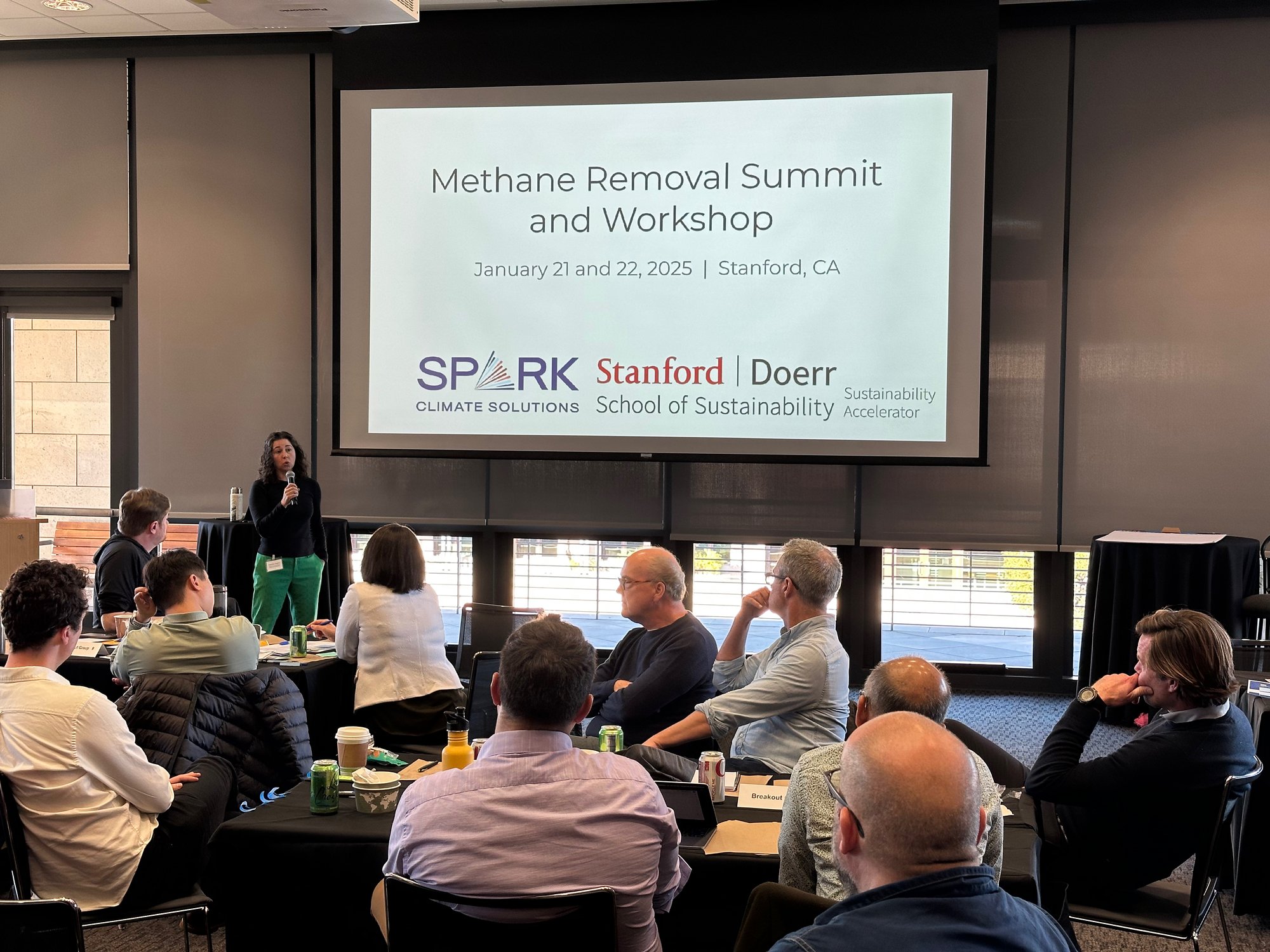
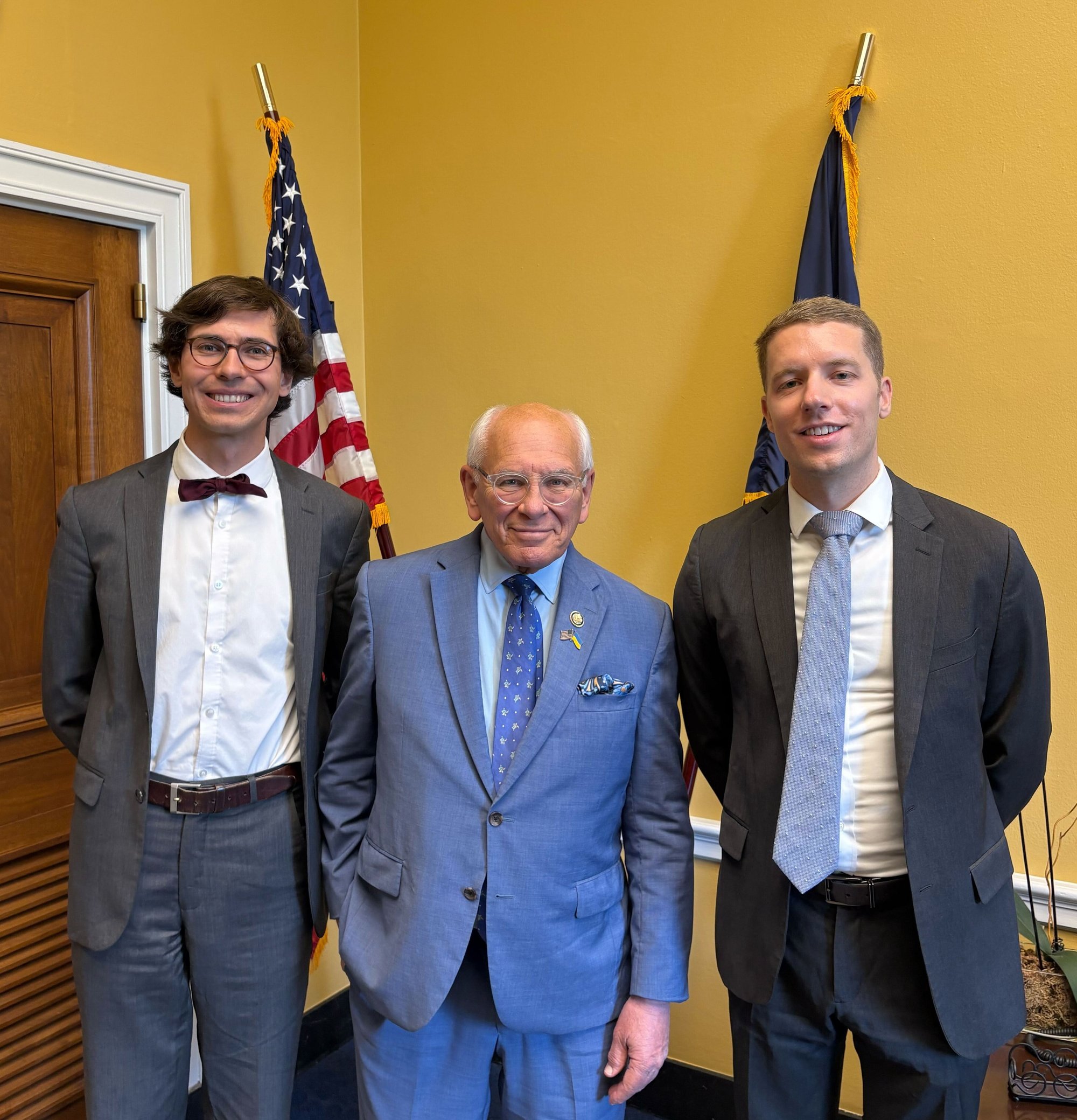
Spark has been at the forefront of methane removal research since 2022. In 2025, we welcomed new leadership to the program: Dr. Megan Melamed, a highly-respected atmospheric scientist who recently served as Deputy Director of NOAA's Chemical Sciences Laboratory.
Megan brings deep scientific expertise and a clear-eyed perspective shaped by decades of research at the intersection of atmospheric science, policy, and public interest. She is careful in assessing whether methane removal could ultimately prove feasible, scalable, or responsible.
What she is unequivocal about, however, is the need for substantially more research to rigorously evaluate potential approaches. Cutting methane emissions as quickly and deeply as possible is, and will remain, the top priority. Yet the risks posed by a high methane future makes it essential to ask a difficult but necessary question: could, and should, atmospheric methane removal play a role in a broader portfolio of climate solutions?
By 2025, Spark had built a strong foundation for Megan to step into, with a growing methane removal program grounded in careful science and responsible governance. With more than $8 million invested across 27 foundational research projects, Spark is continuing to support researchers assessing a diverse set of approaches, from speeding up methane's natural breakdown in the atmosphere to enhancing methane uptake in plants and soils.
In 2025, Spark also brought together leading scientists and policymakers to share emerging findings, coordinate across disciplines, and advance critical conversations about public research funding and governance. For example, organized by Deputy Director Dr. Katrine Gorham, we convened a group of world-leading atmospheric chemists for a multi-day workshop to assess catalytic research priorities to advance investigation of atmospheric oxidation enhancement, setting the direction for Spark's next phase of methane removal regranting.
In 2026, this momentum will continue through new catalytic research and focused policy and governance engagement, helping to accelerate the timeline for determining whether methane removal has a place in the climate solution toolbox.
To catalyze dialogues to grow and broaden the field, Spark convened a town hall with key experts spanning scientific, legal, and governance dimensions of methane removal at the 2025 American Geophysical Union Annual Meeting, one of the world's largest science conferences. The event was well-attended by a diversity of experts and served as an open forum to explore the opportunities and challenges on this emerging issue.
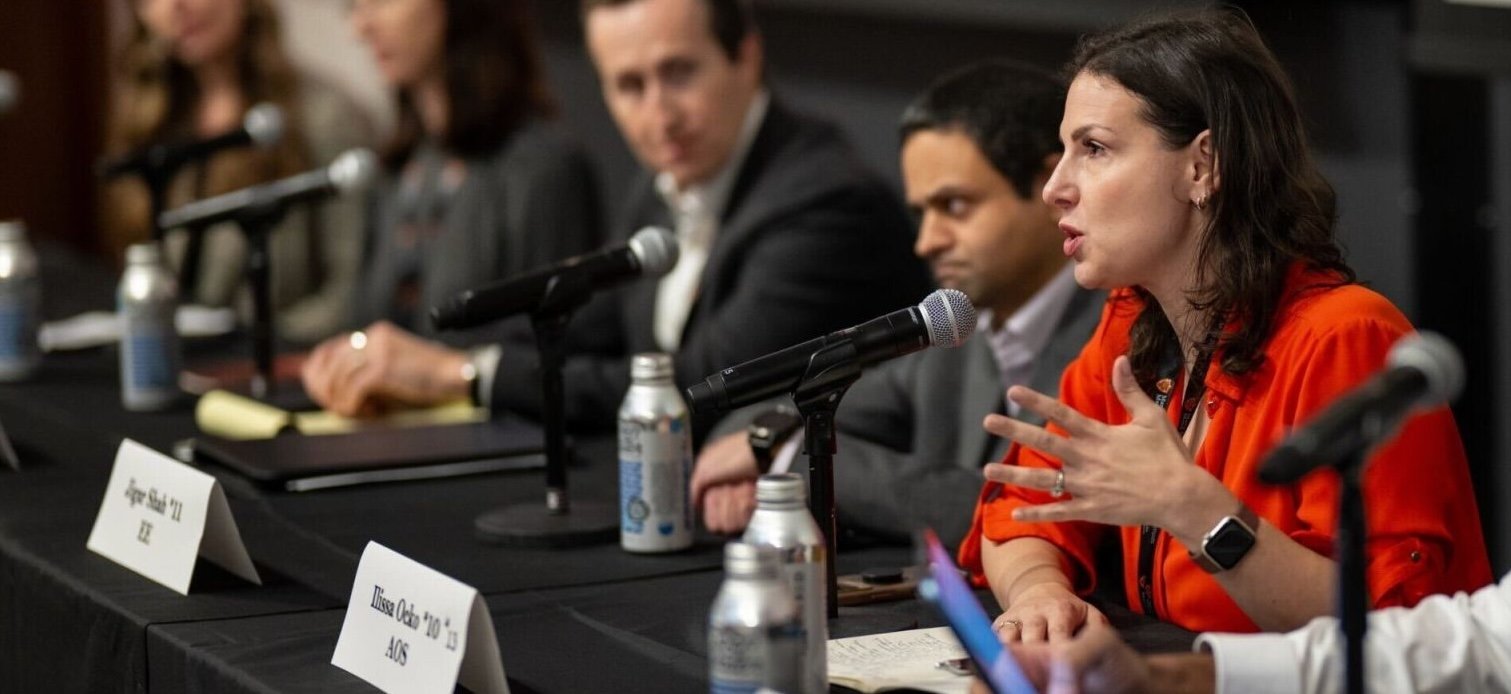
Spark Senior Climate Scientist Ilissa Ocko discusses the importance of super pollutants at Princeton University.
In 2025, Spark's team of scientists contributed new research published in leading journals, including Nature and Science, advancing global understanding of methane, nitrogen, hydrogen and a range of other topics. We also leveraged our scientific expertise to help align and strengthen advocacy efforts in the broader climate community.
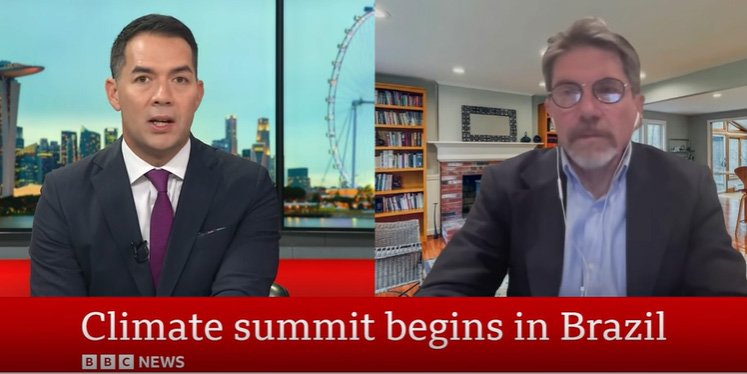
In 2025, Spark played a visible role in defending climate science amid growing political headwinds. Chief Scientist Dr. Phil Duffy served as a key voice in the public discourse. In numerous media appearances—including with BBC, CNN, Politico, and CBS News—Phil explained the importance of science-driven climate policy and the dangers of abandoning it.
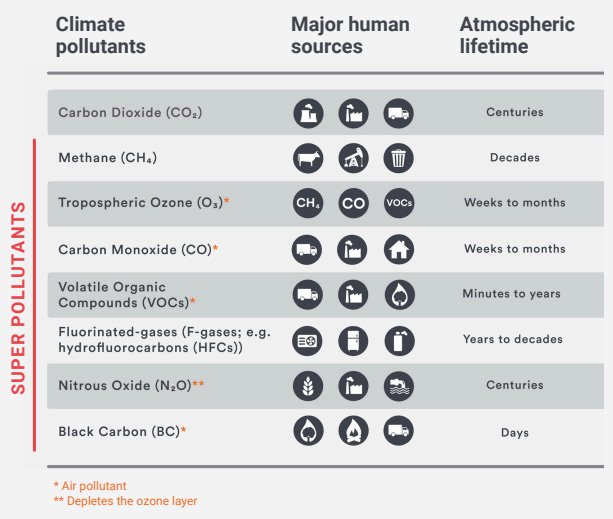
Spark is part of a growing coalition working to further our understanding of super pollutants. Despite their growing profile, there's not always clarity on exactly what super pollutants are or how to address them. In 2025, Spark Senior Climate Scientist Dr. Ilissa Ocko teamed up with partner organizations to produce a guide to super pollutants ahead of COP30—helping align the field around common definitions, priorities, and messages to support coordinated advocacy and policy action.
In 2026, we will continue to support cutting-edge science and science-driven policy action to deliver the climate progress we need.
Total FY2025 expenses: $6,795,418
Programs
$5,389,887
Administration
$1,053,159
Fundraising
$352,372
The financial information presented is derived from Spark's audited financial statements for the fiscal year ending December 31st, 2025, audited by Healy and Associates CPA Firm.
Spark is a science-driven, philanthropically funded non-profit that accelerates progress on unsolved climate challenges.
sparkclimate.org