
Hinsby Cadillo-Quiroz
August 2025
-
November 2026
This project will develop novel methods to measure methane uptake by microbes living on the leaves and stems of trees. By combining these measurements with previously collected tree methane flux measurements, LIDAR-based forest model reconstruction, and isotopic spectroscopy detection of methanotrophic colonies, the research will produce an integrated dataset of tree-based methane removal. This work could reveal the potential of trees as a scalable, nature-based climate solution for reducing atmospheric methane concentrations.
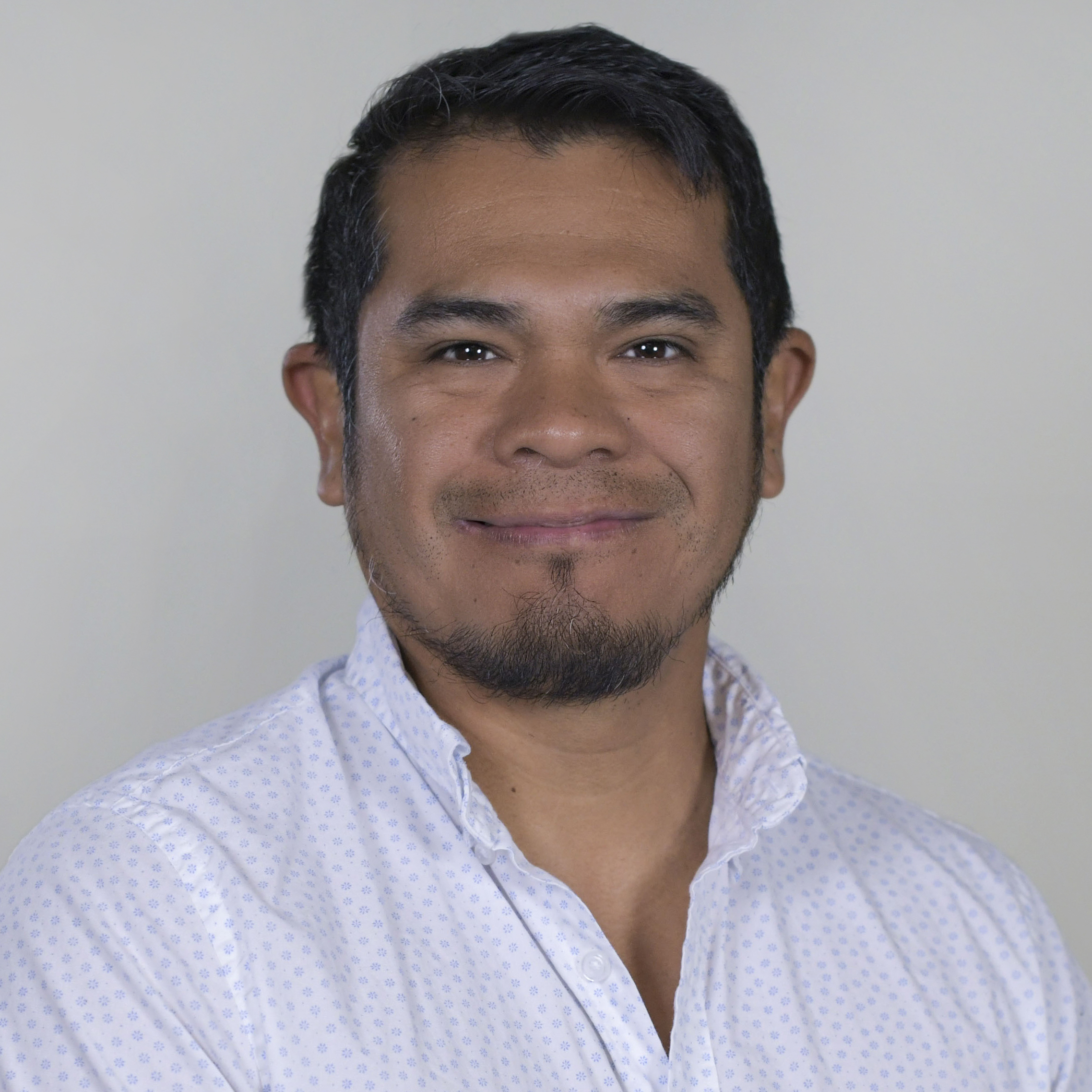
Dr. Hinsby Cadillo-Quiroz is a Professor at Arizona State University with a dual appointment in the School of Life Sciences and Biodesign Institute. He served as co-Director of the Environmental and Life Sciences Graduate Program at ASU, co-Leader of the Genomics, Evolution and Bioinformatics Faculty Group at SOLS, and a National Geographic Society explorer. Dr. Cadillo-Quiroz’s research focuses on understanding the sources, dynamics, and uses of greenhouse gases at various scales. His studies span subjects on the microbial physiology of methanogens and methanotrophs, ecosystem studies of methane emissions, as well as collaborations on landscape-level assessments of atmospheric methane. As the lead of the Ecology of Microorganisms and Ecosystems laboratory at ASU, he undergoes projects focused on methane production, consumption, and possible microbial management in pure cultures, small to medium-scale bioreactors, as well as environments like landfills, northern forest, and tropical peatlands in the Amazon.
Dr. Cadillo-Quiroz received a B.S. degree from the San Marcos National University of Peru and his Ph.D. in Microbiology with a minor in Ecology from Cornell University. He completed a postdoctorate in the Evolution of Archaea at the University of Illinois and a second postdoctorate in Geochemistry and methane production processes at the University of Oregon. He has published over 60 articles in journals such as Nature, PNAS, PLoS Biology and several others. Dr. Cadillo-Quiroz currently serves as an editor for the Journal of Ecological Applications and Frontiers in Microbiology, and he is a reviewer for 15 other journals and organizations. He has been recognized with a Fulbright Scholarship, a Presidential Scholarship at Cornell University, a NSF CAREER Award, and a Honorific Doctorate in Forestry by the National University of the Peruvian Amazon.

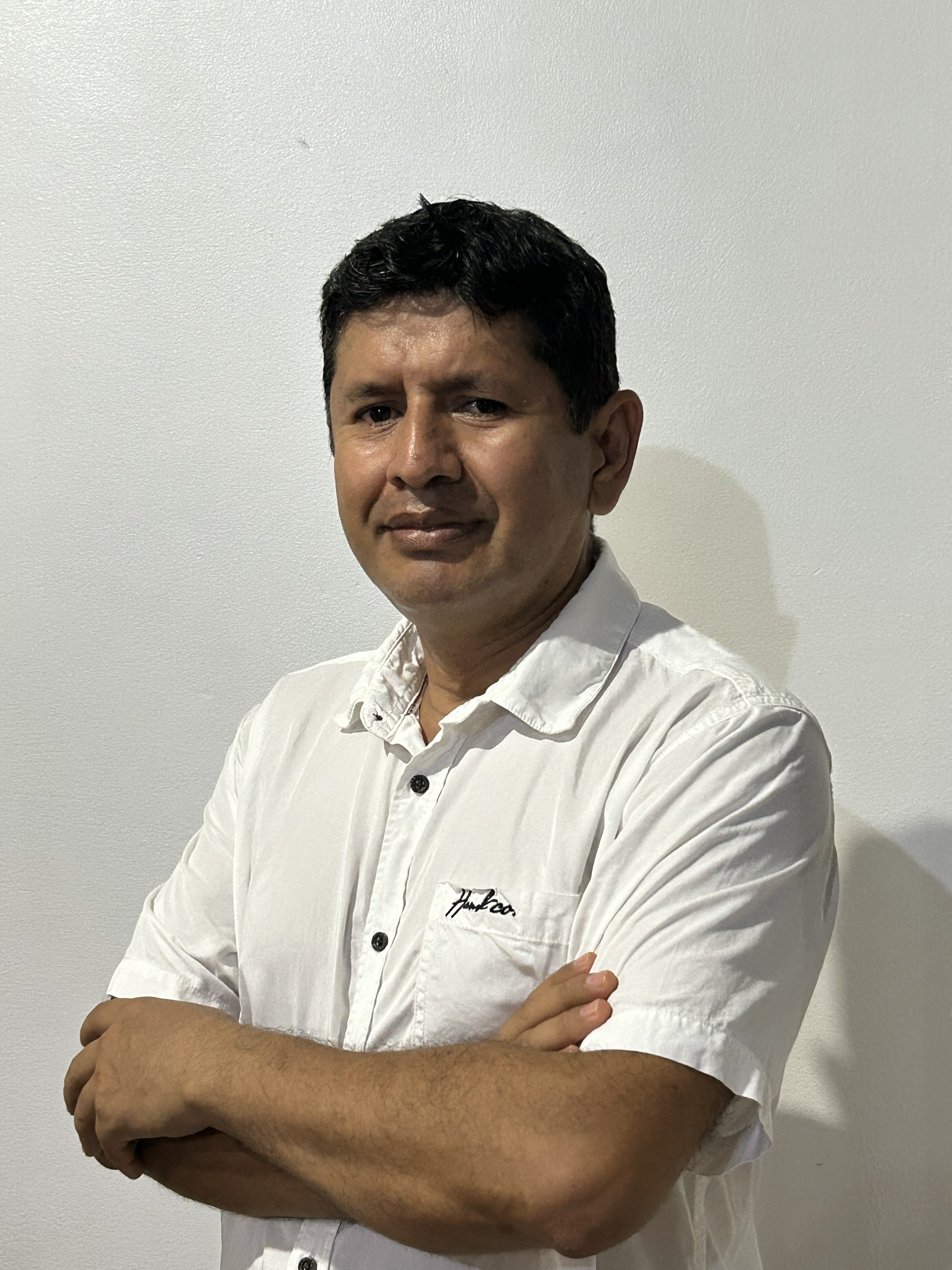
Joel Peña Valdeiglesias is a PhD in Sustainable Agriculture, M.Sc in Forestry and Forest Resource Management, a Professional Agronomist, and a Principal Professor at the Faculty of Engineering at the Universidad Nacional Amazónica de Madre de Dios (UNAMAD), with 20 years of experience in research. Currently, he is the head of the UNAMAD's Soils Research Laboratory. He has previously held the position of Dean of the School of Engineering and Head of the Academic Department of Engineering of the UNAMAD, as well as chairing or being a member of multiple advising committees at UNAMAD. His research focuses on studying the management and applications of agroforestry, reforestation, soil recovery, and soil pollution in the Amazon rainforest. He has completed research projects as a specialist in Plant Health at the Peruvian National Service of Agricultural Health, and as head of the Technical Department of the Fruit Growers Asociacion of the Yanatile Basin (AFRUCY), and as head of the soil research laboratory in the Central Confederation of Coffe Growers of Peru (COCLA).

%20.jpeg)
Songlin Fei, Dean’s Chair Professor of Remote Sensing and Director of the Institute for Digital Forestry, is a quantitative ecologist specializing in forest ecology, invasion ecology, and geospatial analytics at Purdue University. Dr. Fei’s forest ecology work includes impacts of climate change on forest dynamic and biodiversity-ecosystem function. Dr. Fei is also leading the integrated digital forestry initiative, which aims to revolutionize forestry from labor intensive, manual methods to an effective, precise, digital system by testing and adopting existing digital tools and by developing new tools, algorithms, and platforms for precision forest management and for public health improvement and mitigation.

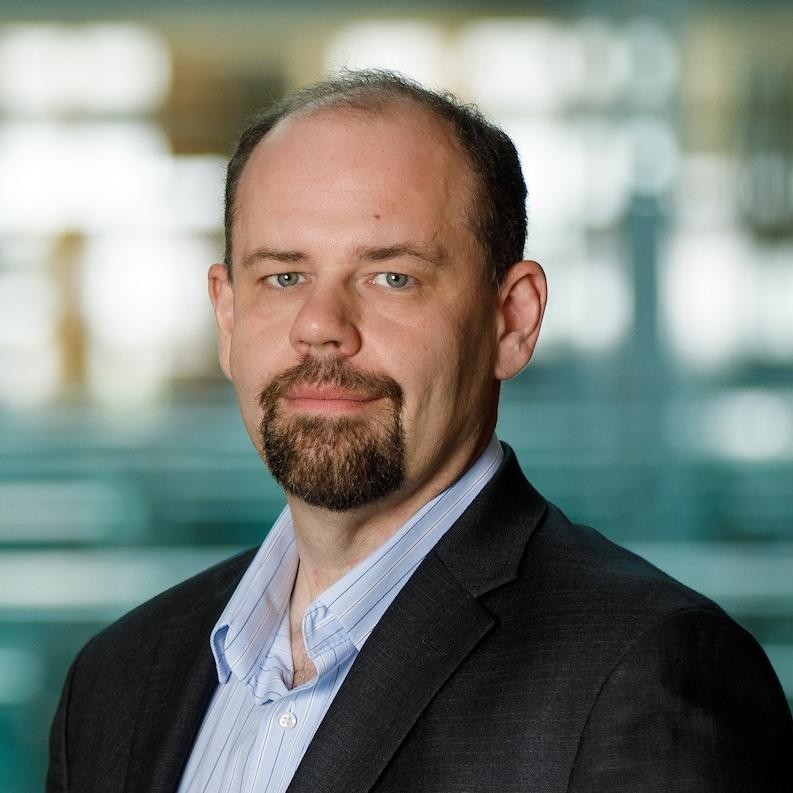
Josh Hihath is director of the Biodesign Center for Bioelectronics and Biosensors and a professor in the School of Electrical, Computer, and Energy Engineering. He was previously a professor and Vice Chair for Undergraduate Studies in the Department of Electrical and Computer Engineering at the University of California Davis. Prior to moving to UC Davis he was a research professor and lab manager at ASU. Professor Hihath received a bachelor's degree in electrical engineering from Kettering University in Flint, Michigan, and master's and doctoral degrees in electrical engineering from Arizona State University. Professor Hihath is a senior member of the IEEE, was recently awarded the UC Davis Graduate Mentoring and Advising award and is an alum of the UC Davis Faculty Leadership Academy. Hihath’s work is centered at the nexus of engineering, chemistry, biology, and physics, and focuses on understanding the electrical and mechanical properties of nanoscale and molecular systems for applications in electronics, sensing (biological and the environment) and health care.
Kathleen Savage (Woodwell Climate Research Center) and Shawn Fraver (University of Maine)
Menu
Stay in touch
Sign up to our Spark newsletter and stay updated!

